Marietta experiences an average annual rainfall of 53.98 inches paired with 76% average relative humidity. When a tree is felled and its stump is left exposed to North Metro Atlanta’s subtropical warmth, the moist sapwood creates an ideal breeding ground for rapid biological activity.
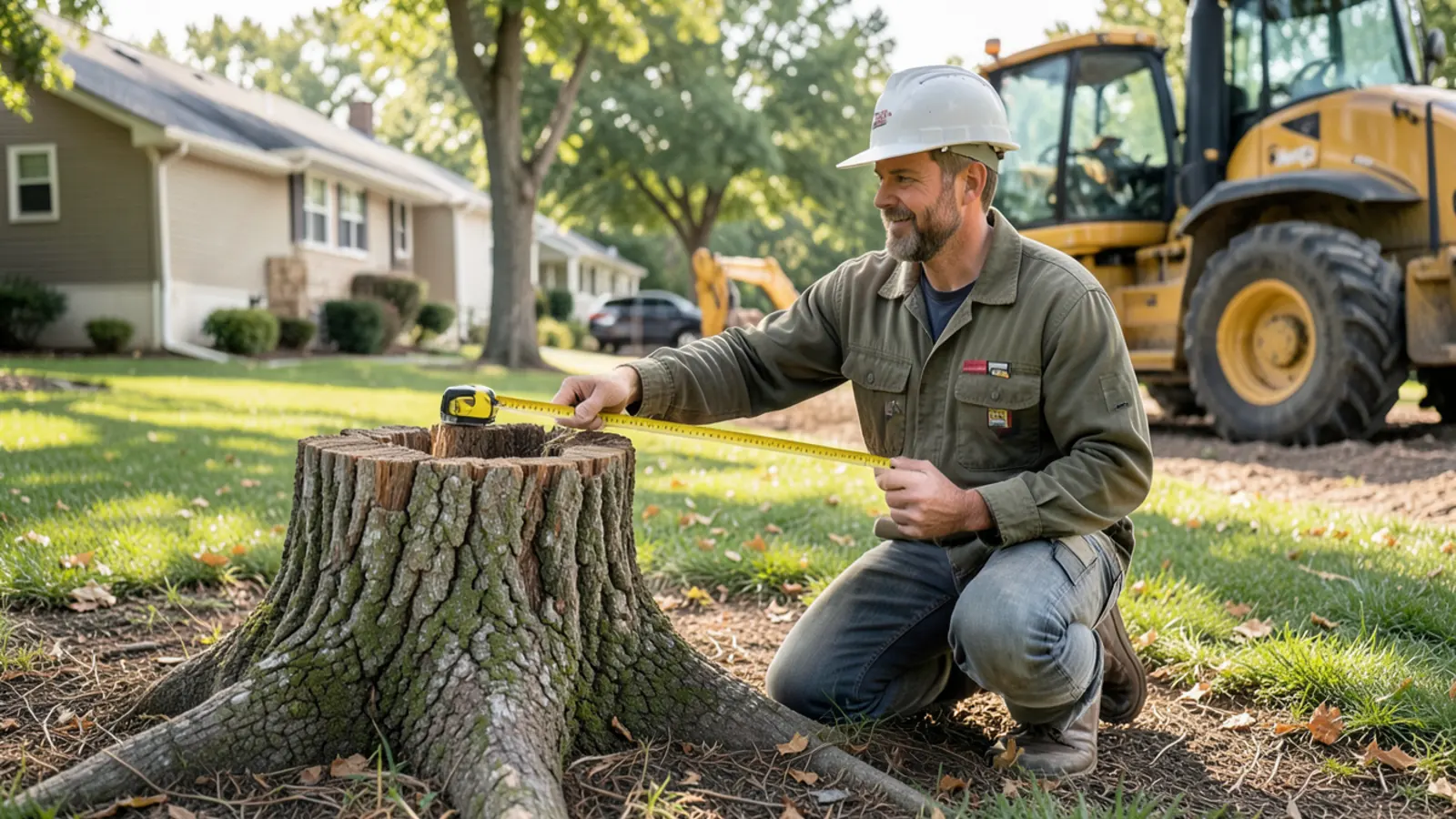
Aggressive native hardwood species common across East Cobb—including sweetgum (Liquidambar styraciflua), silver maple, Bradford pear, and ornamental crepe myrtles—do not die simply because their trunk has been felled. Their extensive root systems remain pressurized with stored sugars, pushing dozens of vigorous basal sprouts through the bark cambium layer within weeks.
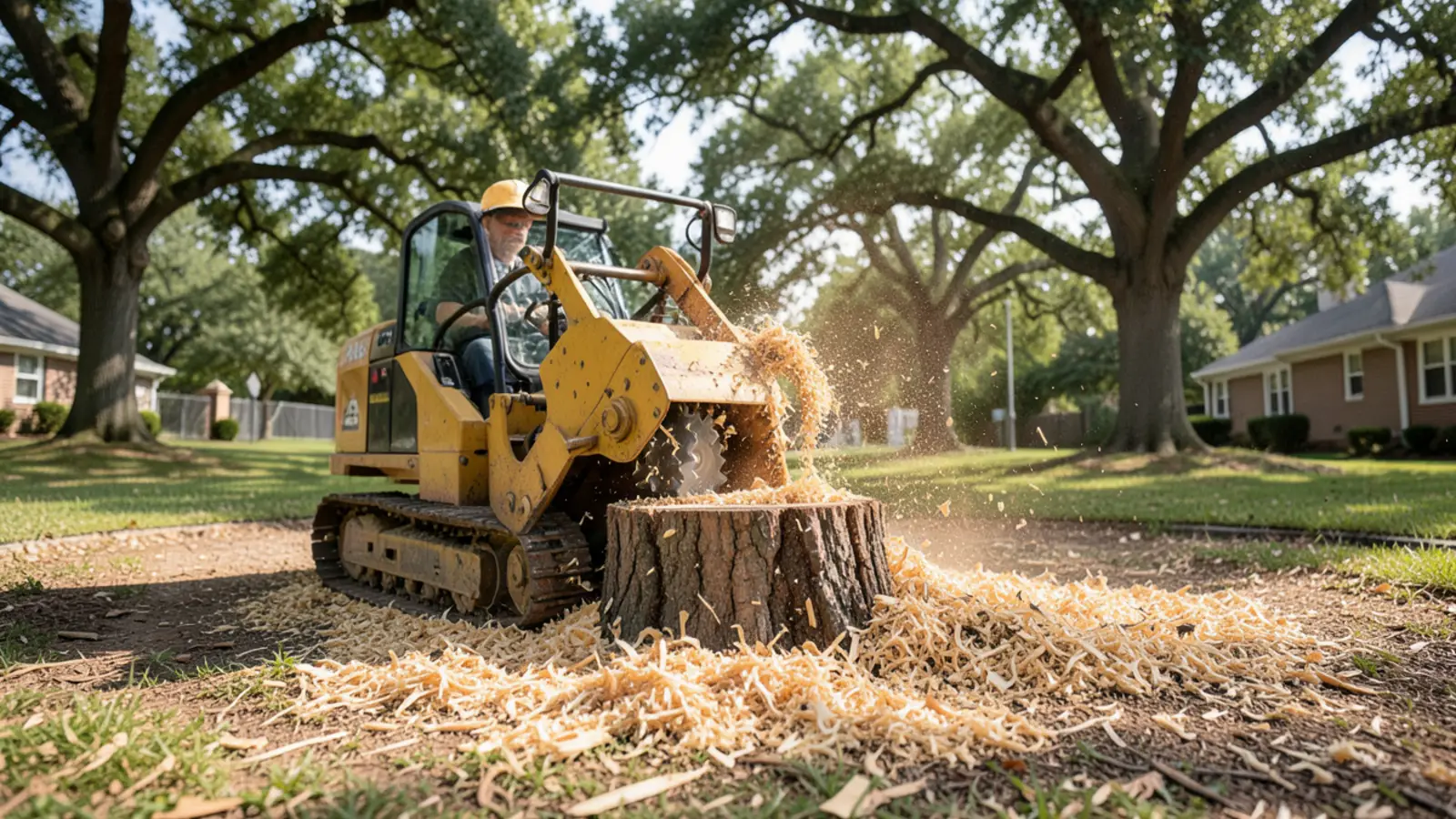
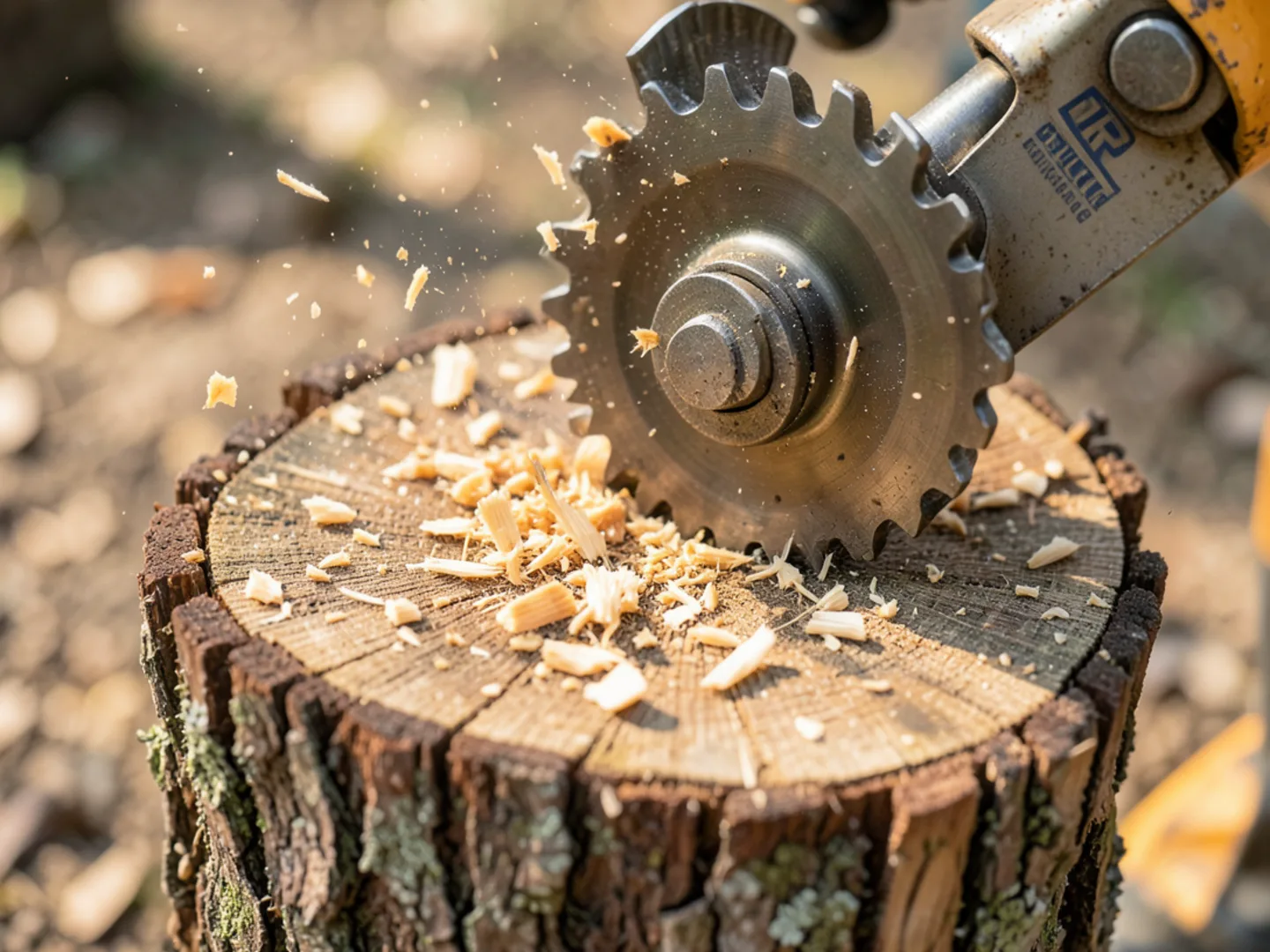
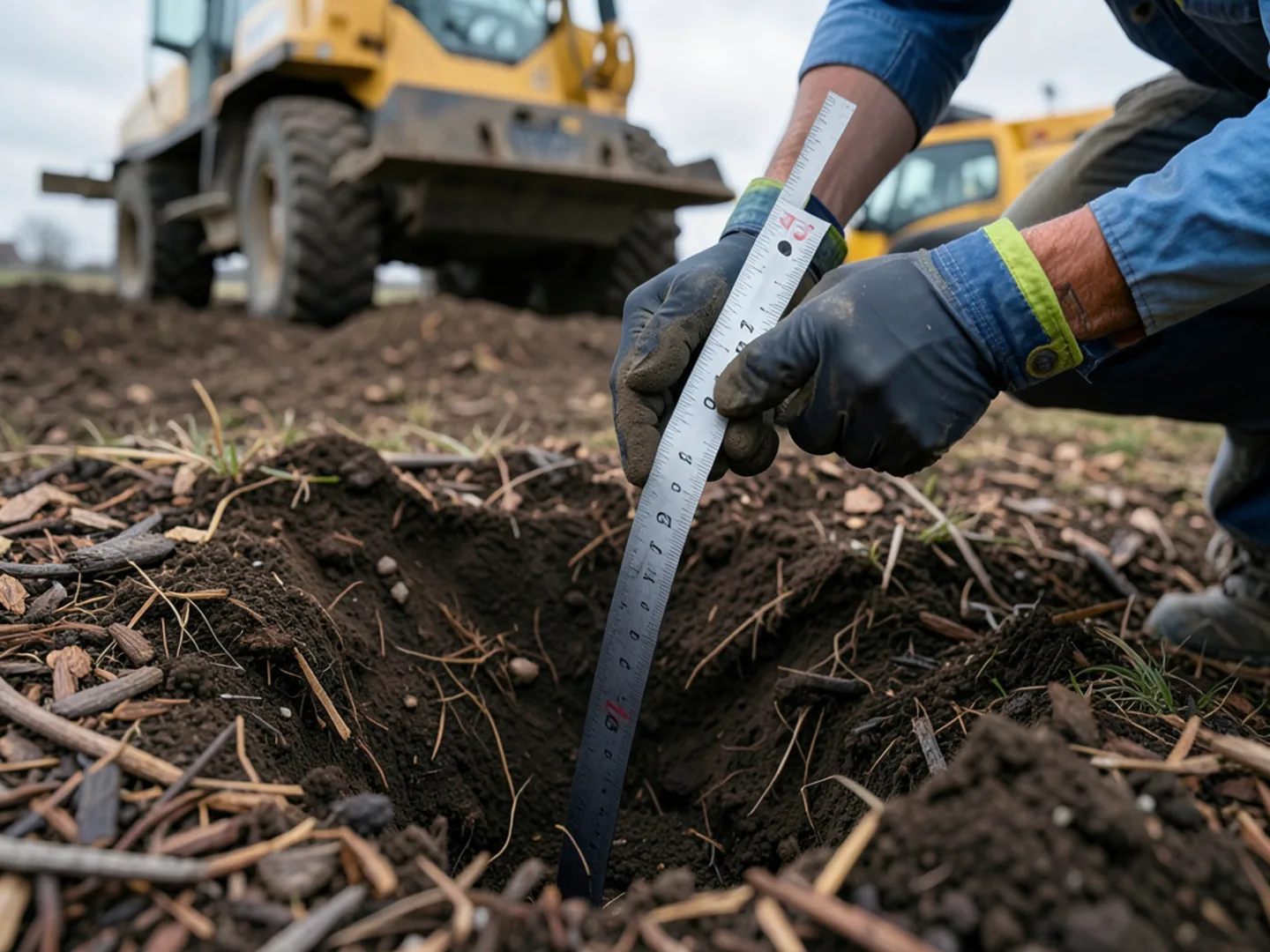
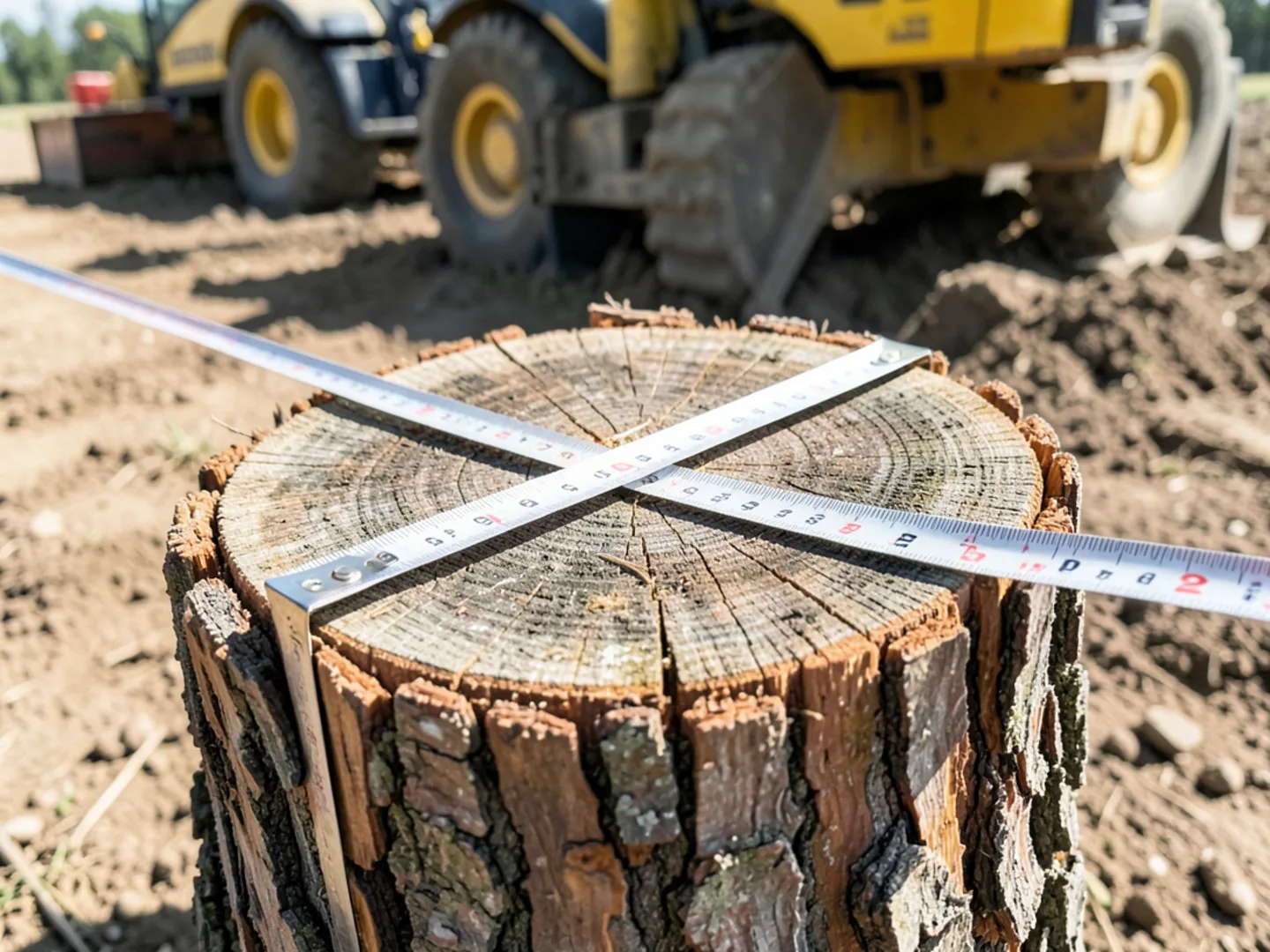
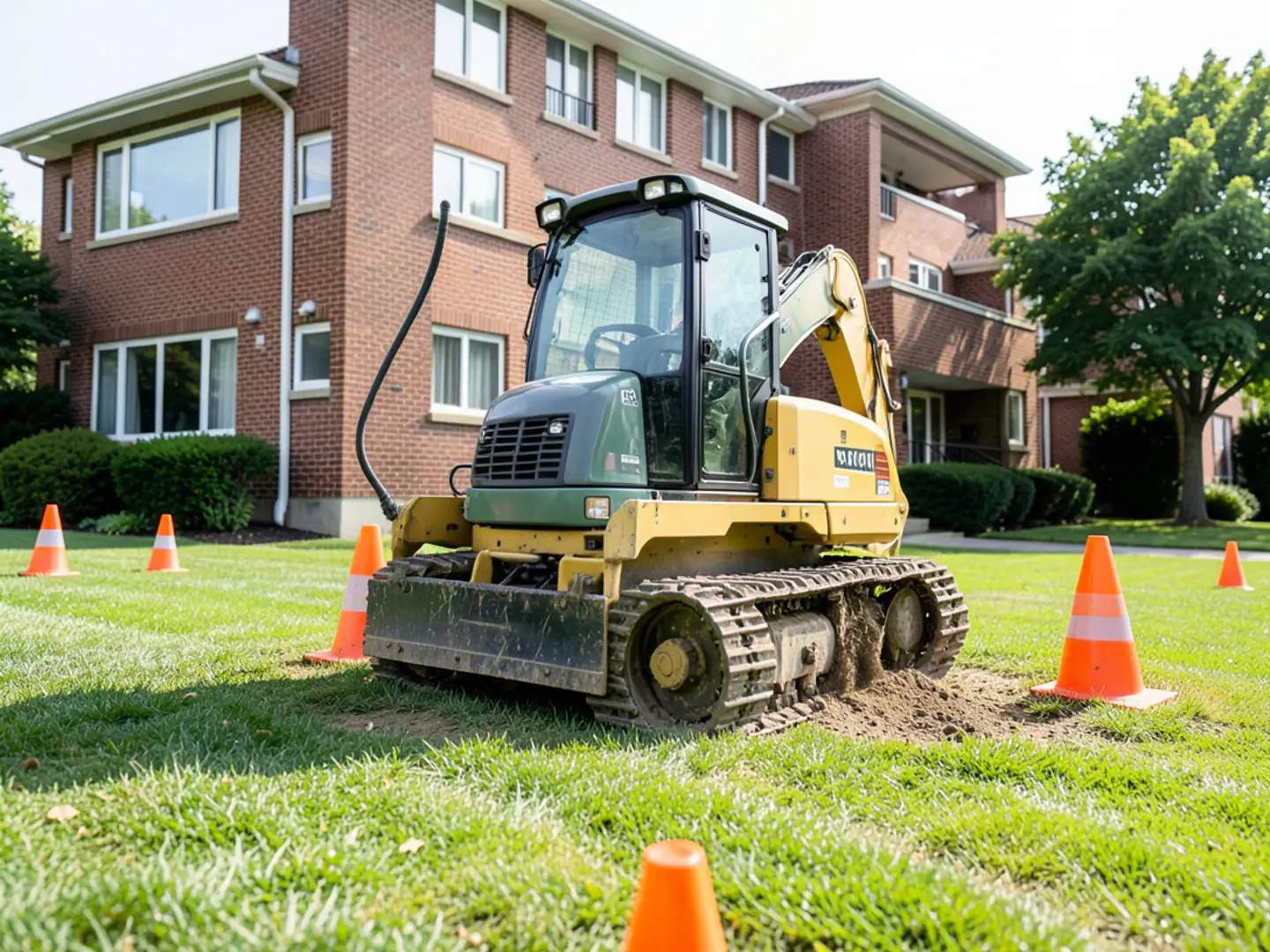
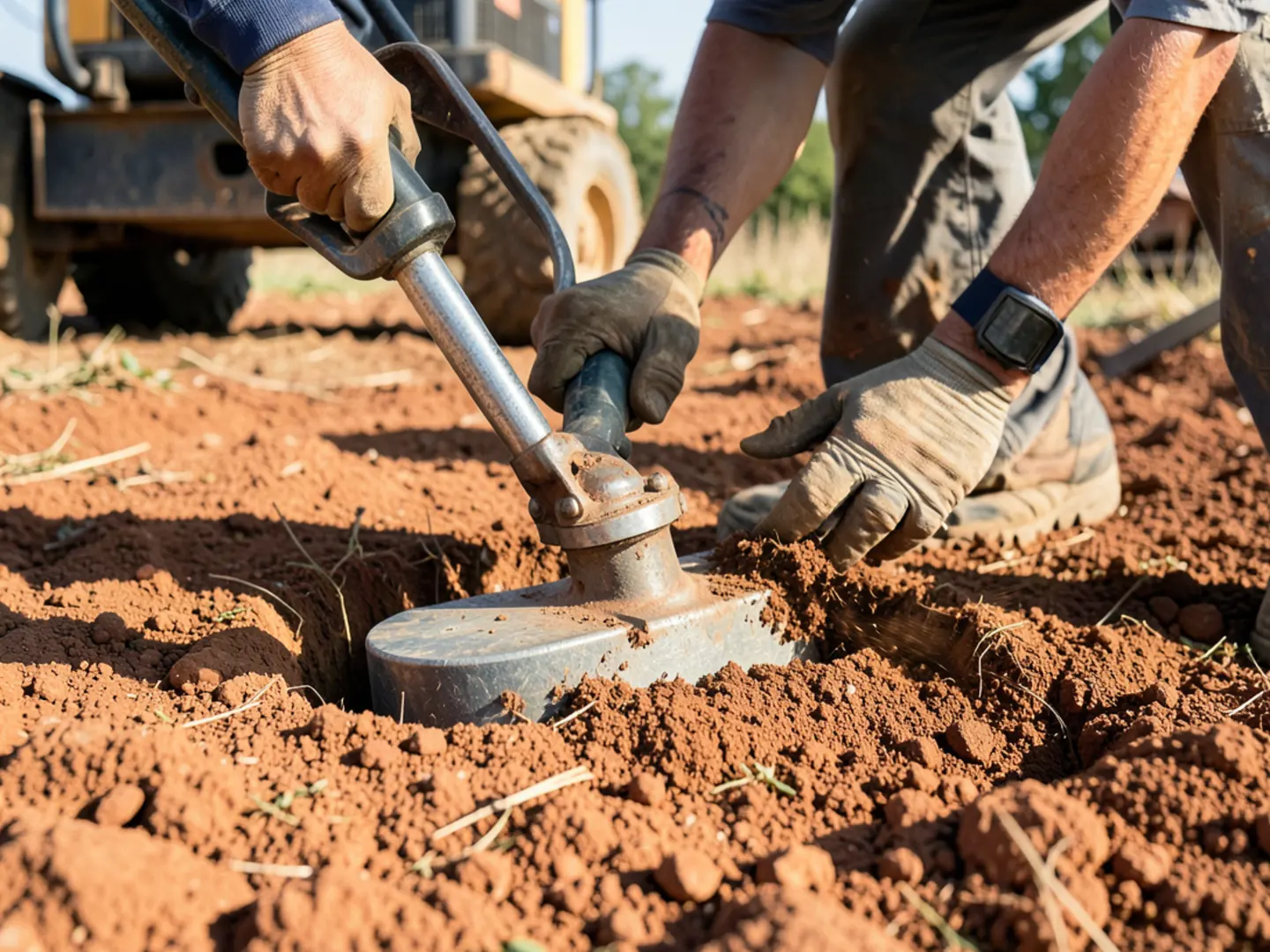
Published arboricultural research from the University of Massachusetts (UMass) and forestry studies by Dr. Kim Coder at the University of Georgia (UGA) demonstrate that mechanically grinding the root collar 4 to 6 inches below soil grade physically separates the root plate from sunlight. By eliminating the dormant epicormic buds, below-grade grinding halts photosynthetic recharge, starving the severed root network and stopping recurrent stump sprouts permanently.
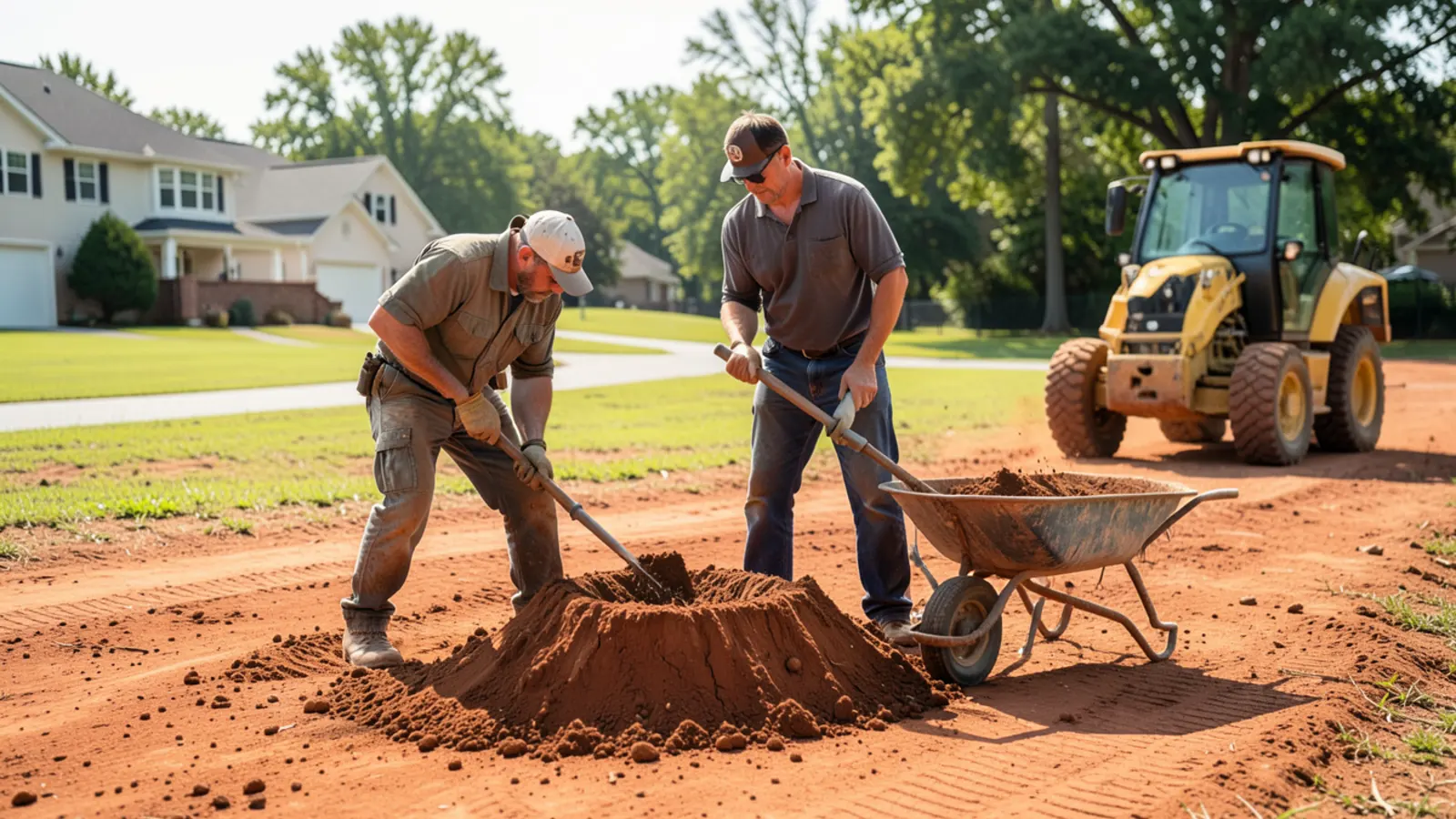
Furthermore, rotting stumps in damp Georgia red clay rapidly attract eastern subterranean termites (Reticulitermes flavipes) and carpenter ant colonies. As the center of the stump decays into hollow punk wood through accelerated organic decomposition, it disrupts yard drainage, promotes localized topsoil erosion during heavy Georgia downpours, and establishes a satellite nesting hub within striking distance of residential home foundations, wooden decks, and structural sill plates.